
Fraud Prevention Resources
Resources
Types of Scams
Below, please find copy you can share with members to help them identify common scams:
Lottery or prize scams: Never provide personal or financial information if you’ve been contacted about winning a prize, especially if you didn’t enter to win one. Scammers may try to get you to pay an upfront fee or taxes before receiving the “prize,” or they may ask for your account information––that way they can “deposit the money.” This is likely a scam.
Imposter scams: This is when a scammer pretends to be someone else, such as a government official, police officer, credit union or bank employee, friend, or family member––with the intention of obtaining your money or personal information. Always confirm the identity of the person contacting you. To avoid phone spoofing, hang up and call the person back directly. Your credit union won’t call you for online banking information, passwords, Social Security numbers, addresses, phone numbers, or other private personal information.
Wire or money transfer fraud: Never transfer money to someone you don’t know. If you are asked to send a payment via a wire transfer, prepaid card, or cryptocurrency, do not do it. These methods are nearly untraceable, and once the money is sent, it’s usually gone for good.
Check scams: If you’re selling something, do not accept a check for more than the requested amount. After the sale, scammers will ask you to send back the difference they “mistakenly” overpaid. The check will later bounce, and you’ve lost both the money and whatever item you sold.
Romance scams: These are deceptive schemes where scammers create fake online personas, pretending to be potential romantic partners, to exploit individuals looking for love or companionship. After building emotional connections with their victims over time, they gain their trust and affection. Once that trust is established, they ask for money.
Charity scams: Always verify that a charity is legitimate before donating. Check their website, look for reviews, and never donate if you’re feeling pressured. You should also be suspicious if a charity asks you to make a donation via cash or wire transfer.
Debt settlement or relief scams: Don’t pay upfront fees to any company that guarantees the can settle or eliminate your debts. Scammers will promise to negotiate with creditors on your behalf to settle your debts for a fraction of the amount owed, or even wipe the debt out entirely. They charge an upfront fee but fail to deliver on their promise, leaving you in a worse financial situation and without any real debt relief.
Recognizing Red Flags
What are some signs of a scam?
Below, please find copy you can share with members to help them spot red flags:
You need to act fast. Acting in urgency is a warning sign of a scam. Scammers want you to act quickly and make payments without taking the time to think the situation through.
They’re using fear tactics. If someone threatens to arrest you, sue you, or subject you to any other consequences if you don’t pay them, it’s likely a scam. Scammers know that fear can lead to poor judgement.
Unusual payment methods are requested. If you are asked to send a payment via a wire transfer, prepaid card, or cryptocurrency, do not do it. These methods are nearly untraceable, and once the money is sent, it’s usually gone for good.
Pre-payment is requested. If someone offers you a prize or debt relief, if you have to pay an upfront fee or shipping costs in order to get it, it’s most likely a scam.
They want your personal information. If you are contacted and asked to verify sensitive information over the phone, hang up. Never provide personally identifiable information like your birthday or Social Security number in response to an unsolicited call, email, or text message.
You need to keep it a secret. If you are asked to keep a transaction a secret, it’s likely because the scammer doesn’t want you to share the situation with someone who might detect it as a scam.
Reporting Fraud and Scams
Below, please find copy you can share with members to help them report fraud or a scam:
If you think you’ve been a victim of fraud or a scam, it’s essential to act promptly––that way you can minimize or eliminate your financial loss, as well as help prevent others from falling for the same deceptive schemes. Here is what you should do to report fraud or a scam:
Notify your credit union or credit card issuer.
If the fraud or scam involves your credit union account, credit card, or any other financial accounts, immediately contact the institution. Inform them about the fraudulent activity and follow their instructions on how to proceed.
Document the details.
Gather all relevant information, such as emails, phone numbers, messages, receipts, or other evidence related to the fraud or scam. This will be important information to have when you report the incident.
File reports.
- In the United States, you can report fraud and scams to the Federal Trade Commission (FTC), which collects data on deceitful activities to identity trends and patterns. You can file to report by visiting the FTC’s website or by calling 1-877-FTC-HELP (382-4357).
- Contact your local police department or law enforcement agency and file a report. Provide them with all the evidence you have gathered. Even if they might not be able to investigate every case, reporting the incident can help build a case against the scammer or fraudster by identifying patterns of criminal activity.
- If your information was stolen, such as your Social Security number, credit card, account details, or other personally identifiable information, go to IdentityTheft.gov. On this website, you can report what happened, obtain a recovery plan, and receive guidance through each recovery step.
Safeguard your credit.
If your personal information was compromised through fraud or a scam, contact the three major credit bureaus (Experian, TransUnion, and Equifax) to initiate fraud alerts and freeze your credit. By adding a fraud alert to your credit report, it will warn lenders that you may be a victim of fraud. This is an extra precaution and will let potential lenders know they should contact you before opening any new lines of credit in your name. You can also freeze your credit for free at each of the major credit bureaus. Freezing your credit prevents any new credit accounts from being opened in your name. Even if identity thieves have accessed all of your personal information in a data breach, they can’t open new accounts in your name if your credit is frozen.
Remember, reporting fraud and scams in a timely manner can help you recover stolen money. You can also help the authorities build cases against fraudsters and scammers, as well as help prevent others from falling victim to their deceitful practices by providing them with your information and evidence.
Industry Resources
AARP BankSafe
AARP’s award-winning BankSafe program has created several resource sheets for financial institutions. Click the below link to access/download these AARP documents to share with frontline staff.
- Spotting Red Flags
- Knowing Suspicious Activity When You See It
- What Happens When You Report Suspected Elder Abuse
- AARP Tips to Prevent the 13 Ways Con Artists Steal Your Money
- AARP BankSafe Tips Sheet – Deciphering Dementia
Register for a BankSafe Training
To participate in the BankSafe program, visit AARP’s website to sign up and create accounts for your credit union users.
Advancing Communities
Blog Posts and Articles
Below, please find fraud prevention blogs and articles you can share on your websites, social media channels, newsletters, and in fraud prevention campaigns:
- Federal Trade Commission: Who's Who in Scams - A Spring Roundup
- Keeping Fraud Prevention Top of Mind at Your Credit Union
- Avoiding Imposter Scams
- Bereavement Scams
- Cybersecurity Awareness
- Home Title Theft Prevention
- Hotel Scams to Watch Out For
- How to Protect Yourself from Scams
- How to Safeguard Yourself Against AI Fraud and Scams
- Identity Theft Protection
- Imposter Scam Scenario
- Mobile Payment App Scams
- Pop-Up Scams
- Preventing Elder Financial Abuse
- Preventing Tax Identity Theft
- Protecting Accounts With Two-Factor Authentication
- Recognizing the Signs of Elder Financial Abuse
- Responding to Elder Financial Abuse
- Shimming -What Is It and How Do You Protect Yourself?
- Social Engineering Scams
- Spoofing Scams
- Staying Safe While Online Shopping
- The Difference Between Frauds and Scams
- What to Do After a Data Breach
- What to Do if You Lose Your Wallet
- What You Should Remove from Your Wallet
Collateral Materials
Are you looking for materials to display in your branch lobbies or hand out at community events? The League has developed brochures on fraud prevention. To access them, please click on the links below:
If you would like the brochures in Arabic, French, Portuguese, Somali, or Spanish, please contact Jake Holmes.
Can your members spot the signs of a scam? To help your members identify and respond to red flags, the League has developed a printable bookmark your credit union can download, print, and share. To access the bookmark, please click here.
Does your front-line staff know how to identify the red flags of a fraudulent or deceptive transaction? Display this card at your teller stations to help your staff spot and respond if they feel a member is falling victim to a scam.
Social Media Posts
Avoiding Isolation
Social Media Copy & Graphic:
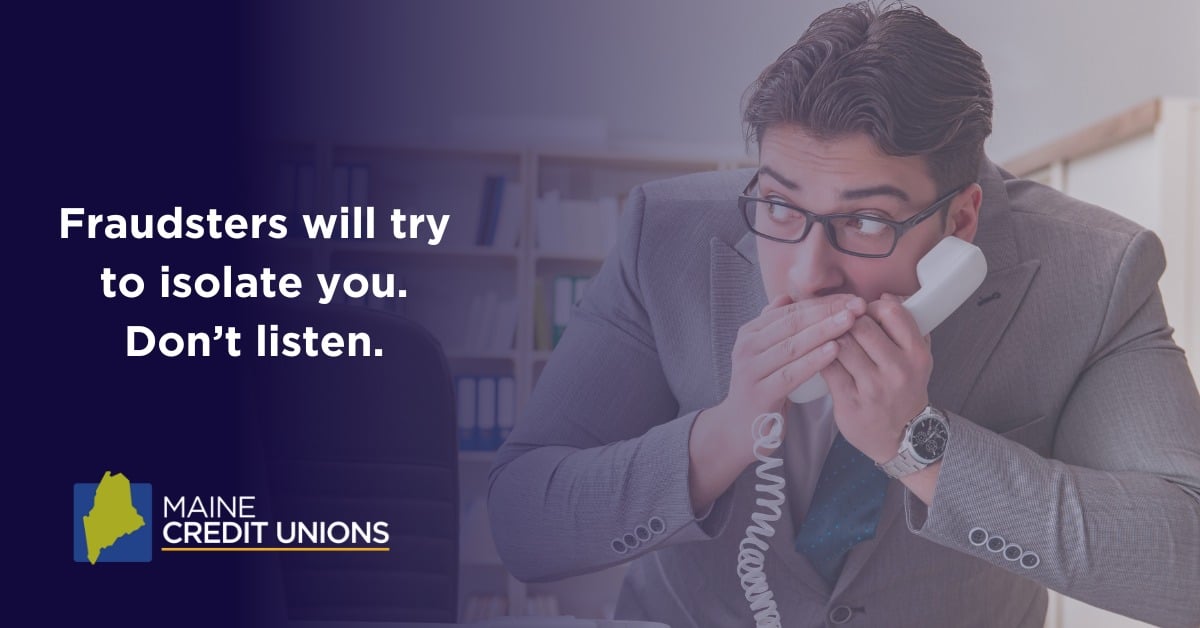
Scams are on the rise. If anyone ever asks you to conduct a financial transaction and specifically tells you not to tell your credit union about it, do not listen to them and speak to your credit union immediately for assistance. Oftentimes, fraudsters will try to isolate you from those who can help you keep your personal information and finances exactly that - yours.
Avoid Pleas to Act Quickly
Social Media Copy & Graphic:
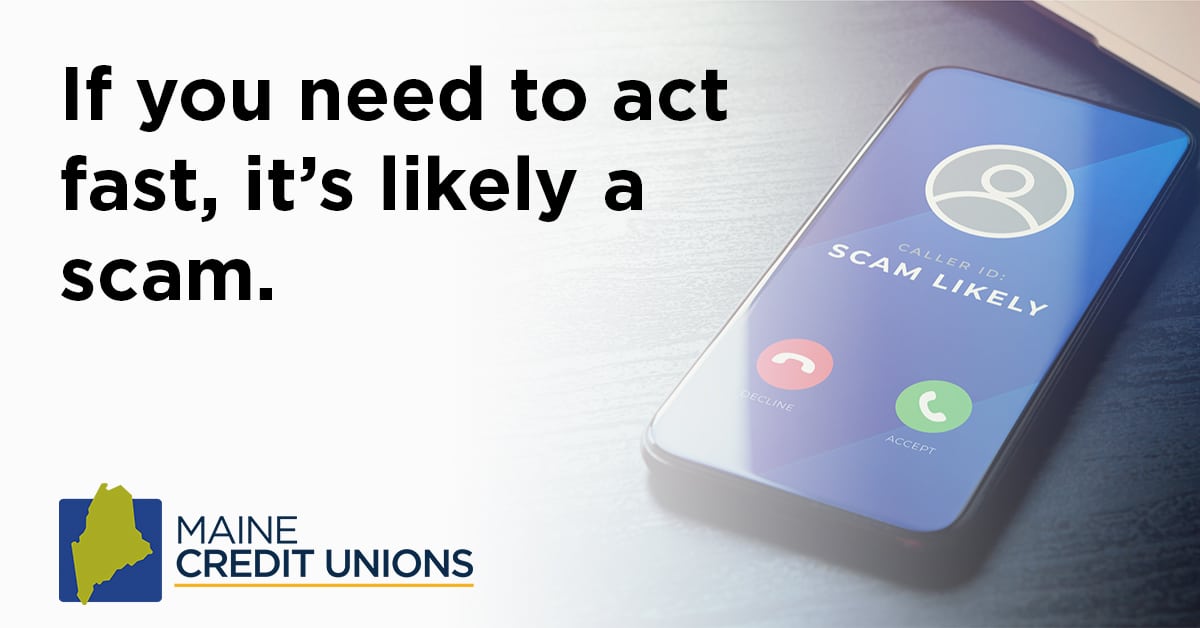
If someone is claiming to be an authority figure and wants you to act fast to prevent something drastic from happening, it’s most likely a scam.
Call Spoofing
Social Media Copy & Graphic:
Receiving an unexpected call about fraud on your account from a number that appears to be originating from our credit union, or another financial institution, can be alarming. But our credit union will NEVER contact you by phone and ask you to share account information. Don’t fall victim to a phone spoofing scam! Keep your personal information private. These types of scams happen every day. When in doubt, hang up and contact our credit union directly with questions.
Facebook & LinkedIn Graphic:
Instagram Graphic:
Family Imposter Scams
Social Media Copy & Graphic:
Facebook, LinkedIn, X, and Instagram: If you get an unsuspected call from someone claiming to be a family member or friend asking you for money to help them out of an emergency, take pause before acting! This could be a scam. Imposters often use scare tactics like saying they have been in an accident or arrested to get people to act fast. Artificial Intelligence can even mimic a loved one’s voice. Always call or text your friend or family member back directly to make sure they are okay, and never wire money, mail cash, or send cryptocurrency to a stranger! #FightFraud
X: If you get a call from someone claiming to be a family member or friend asking you for money to help them out of an emergency, take pause before acting! Contact them directly to verify the request. Never wire money, mail cash, or send cryptocurrency to a stranger! #FightFraud
Covering the Keypad
Social Media Copy & Graphic:
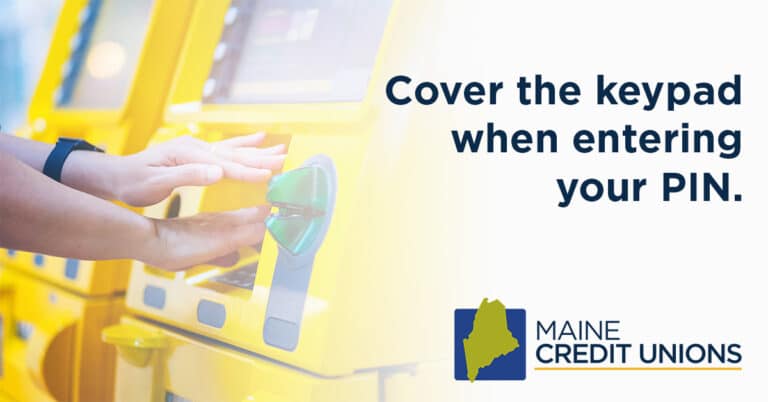
Guard against fraud. Any time you enter your PIN at an ATM or in-store, remember to cover the keypad with your other hand to prevent anyone from stealing your PIN.
Holiday Scams
Social Media Copy & Graphic:
Fraud Tip: Don't let a scam ruin your holiday cheer! If a charity asks you to make a holiday donation in the form of a gift card or wire transfer, that's a big red flag. Legitimate charities won't request a donation through these types of payment methods.
Home Title Theft
For many, owning a home is the culmination of the American dream. However, that dream can become a nightmare––all because of a type of fraud called home title theft. Help protect your members from falling victim by sharing the following resources:
This downloadable file contains the blog and social media graphics.
Post #1 - Learn More About Home Title Theft

Facebook and LinkedIn: For many, owning a home is the culmination of the American dream. However, for thousands of Americans every year, that dream becomes a nightmare––all because of a type of fraud called home title theft. Read more about home title theft and learn how you can avoid being a victim here: https://mainecreditunions.org/financial-literacy-blog/home-title-theft/
X: For many, owning a home is the culmination of the American dream. However, that dream can become a nightmare––all because of a type of fraud called home title theft. Read more about home title theft and learn how you can avoid being a victim here: https://mainecreditunions.org/financial-literacy-blog/home-title-theft/
Instagram: For many, owning a home is the culmination of the American dream. However, that dream can become a nightmare––all because of a type of fraud called home title theft. Read more about home title theft and learn how you can avoid being a victim at the link in our bio.
Post #2 - How to Avoid Falling Victim to Home Title Theft

Facebook, LinkedIn, X, and Instagram: Home title theft occurs when someone illegally steals your identity and forges a deed to steal your home––either selling it to a buyer or taking out loans with your home as collateral. Following these tips can help you avoid falling victim.
Below, please find a Total Money segment featuring the League's Assistant Vice President of Communications & Outreach, Jen Burke:
Hotel Scams
Imagine saving all year to take that dream vacation, only to get scammed out of money while staying at your travel destination. It happens, and it could happen to your members. Share the following resources to prevent them from falling victim to hotel scams while traveling:
This downloadable file contains copy and social media graphics.
Post #1
Facebook/ Instagram: When staying at a hotel, be wary of front desk call scams. In this scam, a fraudster impersonating an employee at the front desk calls your room’s phone and asks you to reverify your credit card information. If you think the request could be legitimate, hang up and visit the front desk in person.
X: Staying at a hotel? Be wary of front desk call scams. In this scam, a fraudster impersonating the front desk calls your room’s phone and asks you to reverify your credit card information. If you think the request could be legitimate, hang up and visit the front desk in person.
Post #2

Facebook/Instagram: When staying at a hotel, don’t fall for fake food delivery scams. In this scam, someone slides a fake menu under your room door. When you scan the QR code or call the number to place your order, the fraudster collects your credit card information. Never order food off these menus unless you received it from the front desk.
X: Staying at a hotel? Don’t fall for food delivery scams. In this scam, a fake food menu is slid under your door. When you scan the QR code or call to order, the fraudster collects your credit card information. Never order off these menus unless you received it from the front desk.
Post #3

Facebook/Instagram: When staying at a hotel, don’t become a victim of Wi-Fi skimming. This is when a scammer sets up a fake network impersonating the hotel’s Wi-Fi connection, appearing to be legitimate and free. If you connect to the scammer’s connection, they can collect passwords, card information, and more. Connect with the front desk to ensure you’re connecting to the appropriate network.
X: Staying at a hotel? Don’t fall victim to Wi-Fi skimming. This is when a scammer sets up a network impersonating the hotel’s Wi-Fi connection, appearing to be legitimate and free. To protect your data, visit the front desk to ensure you connect to the appropriate network.
Multifactor Authentication
Social Media Copy & Graphic:
For maximum protection, use multi-factor authentication everywhere it’s an option. While no security method is entirely foolproof, two-factor authentication makes it more difficult for fraudsters to steal personal information or access accounts.
Oversharing on Social Media
Social Media Copy & Graphic:
While social media quizzes and games may seem like an innocent way to spark conversations with your friends and followers, they may be part of a social engineering scam attempt. Be weary of giving away too much personal information online.
Password Breach
In light of a breach and the number of people who may be impacted, credit unions may want to proactively remind members what steps to take if they believe their personal information has been compromised:
- Update all passwords. Even if you do not think your information has been compromised, regularly updating your passwords is a smart way to safeguard your data.
- Consider using a password manager in combination with long, unique passwords that are NEVER reused across multiple accounts.
- Enable multi factor authentication wherever possible.
- Closely monitor your banking and credit card accounts, and immediately report unusual activity.
- Consider utilizing websites like, https://haveibeenpwned.com/, to see if your email address has been reported in a data breach.
The League also has created sample social media graphics that you can share on your accounts, and has crafted draft language (below) you can tailor to accompany these visuals.
Social Media Copy & Graphics:
A few quick steps can go a long way in keeping your accounts safe.
Use these tips to stay ahead of scammers and protect your personal information:
🔐 Use strong, unique passwords for every login
📲 Turn on multifactor authentication
🗝 Enable passkeys when available
👁 Regularly monitor your accounts for unusual activity
Our credit union is always here to help with tips and tools to protect your information.
Facebook & LinkedIn:
Instagram:
Potential Texas Relief Scams
Social Media Post Copy:
In the wake of the devastating flooding in Texas—where more than 130 lives have tragically been lost—please remain vigilant against fraudsters looking to exploit this crisis for personal gain.
While many people generously step up to support those affected during times of disaster, it’s crucial to protect your personal information, credit, and finances.
- Avoid clicking on suspicious links.
- Be cautious when donating to unfamiliar relief efforts.
- When in doubt, donate only to trusted, verified organizations.
You can support Texas safely and responsibly.
Facebook & LinkedIn Graphic:

Instagram Graphic:
Reminder to Monitor Statements
Social Media Copy & Graphic:
When was the last time you checked your statements or transaction history? Doing routine checks can help you quickly spot fraudulent charges and take action to recover your money.
Rental Scams
Social Media Copy & Graphic:
Never sign a lease or put a security deposit down on a home or apartment without seeing it first. #Fraudsters are increasingly using popular websites to promote fake rental properties. While there are legitimate listings advertised on these sites, it's important to remember that if a rental appears too good to be true, it probably is.

Reporting Phishing
Social Media Copy & Graphic:
If you see an individual or group trying to solicit passwords, Social Security numbers, credit card numbers, or other sensitive information from you or someone else, report it at www.cisa.gov/report.
Strong Passwords
Social Media Copy & Graphic:
A leading cause of unauthorized access to accounts is the reuse of login credentials. If you use the same password for every account you have, a single account breach can grant a fraudster access to all of them. Instead, create unique passwords for each login.
Suspicious Text
Suspicious text messages are being sent far too often by scammers. To remind members of the red flags in texts, feel free to share the following on your social media account(s).
Social Media Copy & Graphic:
Your daily reminder: Not every text deserves a reply. Scammers send fake messages all the time—don’t fall for it.
- Don’t click.
- Don’t call.
- Don’t reply.
When in doubt, delete the message and contact your credit union directly.
Facebook & LinkedIn Graphic:
Unusual Payment Methods
Social Media Copy & Graphic:
Any time anyone suggests payment in the form of a pre-paid gift card or asks you to wire money or send by courier, don’t do it! It may be a scam.
Updating Software
Social Media Copy & Graphic:
Fraudsters are always looking to exploit flaws in your system. Network defenders are working hard to fix them as soon as they can, but their work relies on all of us updating our software with their latest fixes. Update your software regularly.

Updating PINs
Social Media Copy & Graphic:
Have you changed your PIN recently? It’s a good idea to change your PIN every six months to safeguard yourself against fraudsters.
Videos
Looking for information on a different type of fraud or scam? Watch a video on your topic of interest below: